Double Opt-In ve Single Opt-In: E-posta Listeniz İçin Hangisi Daha İyi?
Her e-posta listesi basit bir soruyla başlar: insanlar listeye nasıl giriyor? Cevap -- single opt-in veya double opt-in -- çoğu pazarlamacının fark ettiğinden daha büyük bir etkiye sahiptir: teslim edilebilirlik, etkileşim ve gelir üzerinde. Yanlış seçim yapın ve aktif olarak aleyhinize çalışan bir liste oluşturuyor olabilirsiniz.
Single opt-in ile double opt-in arasındaki tartışma yıllardır sürmektedir. Single opt-in taraftarları, liste büyümesini maksimize ettiğini savunur. Double opt-in savunucuları ise daha kaliteli bir liste oluşturduğunu öne sürer. Her ikisi de haklı -- ve her ikisi de yanlış, hedeflerinize bağlı olarak. Bu rehberde, her yöntemin tam olarak nasıl çalıştığını, e-posta programınız için ne anlama geldiğini ayrıntılı olarak inceleyecek ve sizin için doğru olanı seçmenize yardımcı olacağız.
E-posta Opt-In Nedir?
E-posta opt-in, birinin size e-posta gönderme izni verme sürecidir. İzin tabanlı e-posta pazarlamasının temelidir -- ve çoğu yargı alanında yasal olarak zorunludur. Birisi bir kayıt formunu doldurduğunda, bir bültene abone olduğunda veya ödeme sırasında bir kutuyu işaretlediğinde, e-posta listenize opt-in yapıyor demektir.
Opt-in yöntemi, bu iznin nasıl kaydedildiğini ve doğrulandığını belirler. İki ana yaklaşım vardır: single opt-in ve double opt-in. Her biri abonelik sürecini farklı şekilde yönetir ve aralarındaki seçim, liste büyüklüğünden gelen kutusu yerleşimine kadar her şeyi etkiler.
Single Opt-In: Nasıl Çalışır?
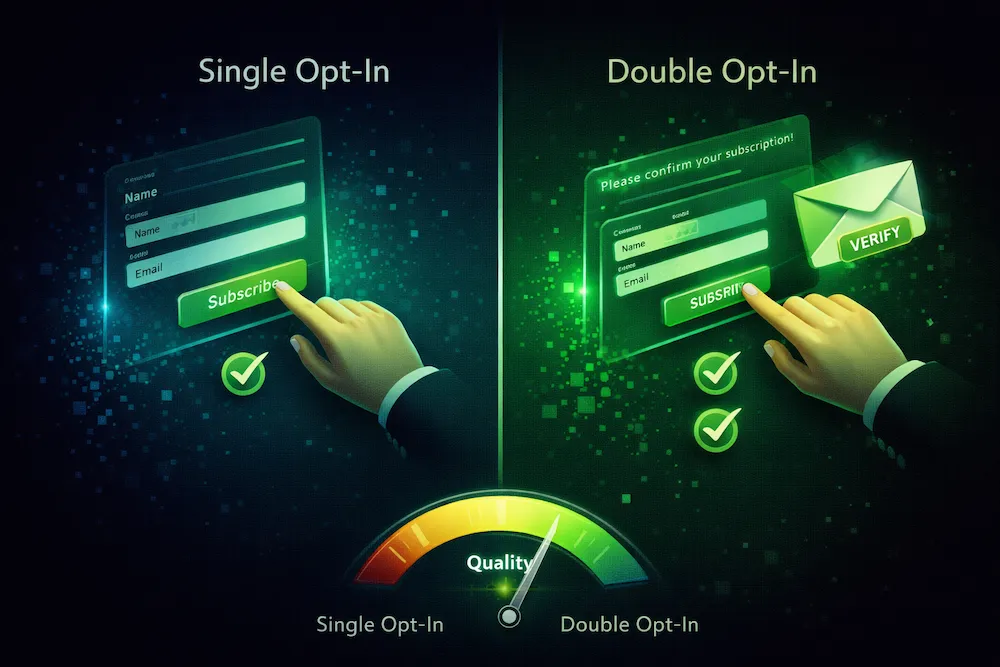
Single opt-in (basit opt-in olarak da adlandırılır) yönteminde, bir abone kayıt formunu gönderdiği anda e-posta listenize eklenir. Ek bir onay adımı yoktur. E-posta adreslerini girerler, "Abone Ol"a tıklarlar ve listeye dahil olurlar.
Süreç şu şekilde işler:
1. Ziyaretçi kayıt formuna e-posta adresini girer
2. E-posta anında listeye eklenir
3. Abone hemen e-posta almaya başlar
Hızlı ve sürtünmesizdir. Abone istediğini anında alır ve siz de ilişkiyi hemen kurmaya başlarsınız. Birçok yüksek büyüme oranına sahip şirket ve e-ticaret markasının single opt-in'i tercih etmesinin nedeni budur -- giriş engellerini ortadan kaldırır.
Single Opt-In'in Avantajları
- Daha hızlı liste büyümesi. İlk form gönderiminden sonra sıfır sürtünme ile kayıt olan her aboneyi yakalar. Onay adımında kimse kaybolmaz.
- Anında etkileşim. En yüksek ilgi anından yararlanarak hemen bir hoş geldiniz e-postası veya promosyon teklifi gönderebilirsiniz.
- Daha basit kullanıcı deneyimi. Abonelerin gelen kutularına geçmeleri, bir onay e-postası bulmaları ve bir bağlantıya tıklamaları gerekmez. Tek işlem, bitti.
- İşlemsel kayıtlar için daha iyi. Birisi hesap oluşturduğunda veya satın alma yaptığında, onay adımı eklemek gereksiz ve sinir bozucu hissedebilir.
Single Opt-In'in Dezavantajları
- Düşük veri kalitesi. Yazım hataları, sahte adresler ve bot gönderimleri listenize girer. Adresin gerçek olduğuna veya giren kişiye ait olduğuna dair bir doğrulama yoktur.
- Daha yüksek hemen çıkma oranları. Yazım hatalarından kaynaklanan geçersiz adresler (gmial.com, yaho.com), gönderici itibarınıza zarar veren sert geri dönüşlere neden olur.
- Spam tuzağı riski. Botlar ve tarayıcılar, formlarınız aracılığıyla spam tuzağı adresleri gönderebilir ve kara listeye alınmanıza yol açabilir.
- Daha fazla spam şikayeti. Birisi, bilgisi olmadan üçüncü bir taraf tarafından abone edilmiş olabilir. Beklemedikleri bir e-posta aldıklarında "Spam Bildir" düğmesine basarlar.
- Daha zayıf onay kanıtı. Bir formun belirli bir IP'den gönderildiğini kanıtlayabilirsiniz, ancak e-posta adresinin sahibinin bunu gerçekten yaptığını kanıtlayamazsınız.
Double Opt-In: Nasıl Çalışır?
Double opt-in (onaylı opt-in olarak da adlandırılır) yönteminde, abonenin formu gönderdikten sonra ek bir doğrulama adımını tamamlaması gerekir. Aboneliklerini sonuçlandırmak için tıklamaları gereken bir bağlantı içeren bir onay e-postası alırlar. Yalnızca bu bağlantıya tıkladıktan sonra aktif listeye eklenirler.
1. Ziyaretçi kayıt formuna e-posta adresini girer
2. Sistem bir onay e-postası gönderir
3. Abone onay bağlantısına tıklar
4. E-posta aktif listeye eklenir
5. Abone e-posta almaya başlar
Bu ekstra adım bir kapı bekçisi görevi görür. Üç kritik şeyi garanti eder: e-posta adresinin gerçekten var olduğunu, sahip olan kişinin kayıt yapan kişi olduğunu ve e-postalarınızı gerçekten almak istediğini.
Double Opt-In'in Avantajları
- Doğrulanmış e-posta adresleri. Listenizdeki her adresin gerçek ve aktif olduğu onaylanmıştır. Kayıttan kaynaklanan sert geri dönüş neredeyse sıfırdır.
- Daha yüksek etkileşim oranları. Onay için ekstra adımı atan aboneler gerçekten ilgilidir. Açılma oranları genellikle single opt-in listelerine göre %20-30 daha yüksektir.
- Spam tuzağı koruması. Botlar ve tarayıcılar onay adımını tamamlayamaz, bu da spam tuzaklarını listenizden tamamen uzak tutar.
- Daha güçlü onay kanıtı. E-posta sahibinin aboneliğini aktif olarak onayladığına dair zaman damgalı, denetlenebilir bir kaydınız olur -- uyumluluk için kritik öneme sahiptir.
- Daha iyi teslim edilebilirlik. Daha az geri dönüş, daha az şikayet ve daha yüksek etkileşim, gönderici itibarınızı güçlendirir ve daha iyi gelen kutusu yerleşimine yol açar.
Double Opt-In'in Dezavantajları
- Daha düşük dönüşüm oranı. Onay adımını tamamlamayan potansiyel abonelerin %20-30'unu kaybedersiniz. Bazıları e-postayı hiç görmez; diğerleri tıklamayı unutur.
- Gecikmiş etkileşim. Abone onaylayıncaya kadar ona hiçbir şey gönderemezsiniz, bu da kayıttan hemen sonraki en yüksek ilgi anını kaçırmanız anlamına gelir.
- Onay e-postası teslim edilebilirliği. İronik bir şekilde, onay e-postasının kendisi spam veya promosyonlar sekmesine düşebilir ve abonenin onu görmesini engelleyebilir.
- Ek karmaşıklık. Onay e-postasını tasarlamanız, onay akışını yönetmeniz ve onaylanmamış aboneleri takip etmeniz gerekir.
Yan Yana Karşılaştırma
İki yöntemin önemli olan her metrikte nasıl karşılaştırıldığını görelim:
| Faktör | Single Opt-In | Double Opt-In |
|---|---|---|
| Liste büyüme hızı | Daha yüksek (kayıp yok) | %20-30 daha düşük |
| E-posta veri kalitesi | Yazım hataları, sahte adresler, botlar dahil | Tüm adresler doğrulanmış |
| Sert geri dönüş oranı | Daha yüksek (tipik %2-5) | Kayıttan neredeyse sıfır |
| Spam şikayet oranı | Daha yüksek risk | Önemli ölçüde düşük |
| Spam tuzağı maruziyeti | Bot kayıtlarına açık | Korumalı (botlar onaylayamaz) |
| Ortalama açılma oranı | %15-25 | %25-35 |
| Gönderici itibarı etkisi | Orta düzey risk | Olumlu |
| GDPR/CAN-SPAM uyumluluğu | Minimum gereksinimleri karşılar | En güçlü onay kanıtı |
| Kullanıcı deneyimi | Sürtünmesiz, anında | Ekstra adım gerekli |
| Abone başına gelir | Daha düşük (aktif olmayanlarla seyreltilmiş) | Daha yüksek (etkileşimli taban) |
Liste Kalitesi Üzerindeki Etkisi
Liste kalitesi, e-posta pazarlamasında her şeyin temelidir. Temiz, etkileşimli bir liste daha iyi açılma oranları, tıklama oranları ve dönüşümler sağlar. Geçersiz adresler ve ilgisiz abonelerle dolu kirli bir liste bütçenizi tüketir ve itibarınıza zarar verir.
Single opt-in listeleri kaçınılmaz olarak kötü veri biriktirir. Her formda yazım hataları olur -- insanlar "gmail.com" yerine "gmial.com" yazar veya adreslerinde bir karakter atlar. Botlar binlerce sahte adres gönderir. Rakipler veya şakacılar, birinin e-postasını bilgisi olmadan kaydedebilir. Bu senaryoların hiçbiri, adres listenize ulaşmadan önce yakalanmaz.
Double opt-in listeleri tasarım gereği kendi kendini temizler. Yanlış yazılmış bir adres onay e-postasını asla almaz. Bir bot onay bağlantısına tıklayamaz. Ve bilgisi olmadan kaydedilen biri, onayı görmezden gelir ve listenize asla katılmaz. Sonuç, her adresin doğrulanmış ve her abonenin net niyet göstermiş olduğu bir listedir.
%72
double opt-in kullanan pazarlamacılar daha iyi etkileşim oranları bildiriyor
%30
double opt-in listelerinde single opt-in'e göre daha yüksek açılma oranı
<%0,5
double opt-in listelerinde tipik geri dönüş oranı
Teslim Edilebilirlik Üzerindeki Etkisi
E-posta teslim edilebilirliği, geri dönüş oranı, spam şikayet oranı, spam tuzağı isabetleri ve etkileşim gibi metriklere dayanan gönderici itibarınız tarafından belirlenir. Seçtiğiniz opt-in yöntemi dördünü de doğrudan etkiler.
Single opt-in ile daha yüksek geri dönüş oranları (geçersiz adreslerden), daha fazla spam şikayeti (kasıtlı olarak abone olmayan kişilerden) ve potansiyel spam tuzağı isabetleri (bot gönderimlerinden) yaşama olasılığınız daha yüksektir. Bunların her biri gönderici itibarınızı aşındırır ve e-postalarınızın herhangi bir gelen kutusuna ulaşmasını zorlaştırır.
Double opt-in ile onay adımı bir kalite filtresi görevi görür. Kayıt sırasında kötü adreslerden kaynaklanan geri dönüşler neredeyse sıfıra düşer. Her abone aktif olarak orada olmayı seçtiği için spam şikayetleri azalır. Spam tuzakları tamamen engellenir. Ve onaylanmış aboneler daha fazla etkileşimde bulunduğu için, açılma ve tıklama oranlarınız posta kutusu sağlayıcılarına olumlu sinyaller gönderir.
Single opt-in'i seçerseniz, e-posta doğrulama vazgeçilmez hale gelir. Göndermeden önce listenizi bir doğrulama hizmetinden geçirmek, single opt-in sürecinin geçirdiği geçersiz, riskli ve şüpheli adresleri yakalar. Birçok yüksek hacimli gönderici, single opt-in hızını doğrulama düzeyinde veri kalitesiyle elde etmek için kayıt noktasında single opt-in'i gerçek zamanlı API doğrulaması ile birleştirir.
Single Opt-In Ne Zaman Kullanılmalı?
Single opt-in, hız ve dönüşümün liste saflığından daha önemli olduğu belirli senaryolarda daha iyi bir seçimdir:
- E-ticaret işlemsel kayıtları. Birisi satın alma yapmak için hesap oluşturduğunda, e-posta onayı istemek satın alma sürecine gereksiz sürtünme ekler.
- Lead magnet ve erişim kısıtlı içerik. Birisi bir teknik doküman indirmek veya bir kaynağa erişmek için e-postasını gönderiyorsa, içeriğe hemen ihtiyacı vardır. Önce onay istemek amacı bozar.
- Yüksek hacimli, zamana duyarlı kampanyalar. Flaş satışlar, etkinlik kayıtları ve sınırlı süreli teklifler anında listeye eklenmeden faydalanır.
- E-posta etkileşim kültürünün düşük olduğu pazarlar. Bazı bölgelerde abonelerin onay adımını tamamlama olasılığı daha düşüktür, bu da double opt-in'i büyüme için pratik olmayacak kadar maliyetli kılar.
Önemli: Single opt-in kullanıyorsanız, bunu güçlü liste hijyeni uygulamalarıyla eşleştirmelisiniz. Botları engellemek için CAPTCHA veya honeypot alanları kullanın. Kayıt formlarınıza gerçek zamanlı e-posta doğrulama uygulayın. Ve zamanla bozulan adresleri yakalamak için listenizi düzenli olarak bir toplu doğrulama hizmeti ile temizleyin.
Double Opt-In Ne Zaman Kullanılmalı?
Liste kalitesi, uyumluluk ve uzun vadeli teslim edilebilirlik ham abone sayısından daha ağır bastığında double opt-in daha güçlü bir seçimdir:
- Bülten ve içerik abonelikleri. Birincil ilişki e-postanın kendisi olduğunda, onaylanmış aboneler onaylanmamış olanlardan çok daha değerlidir.
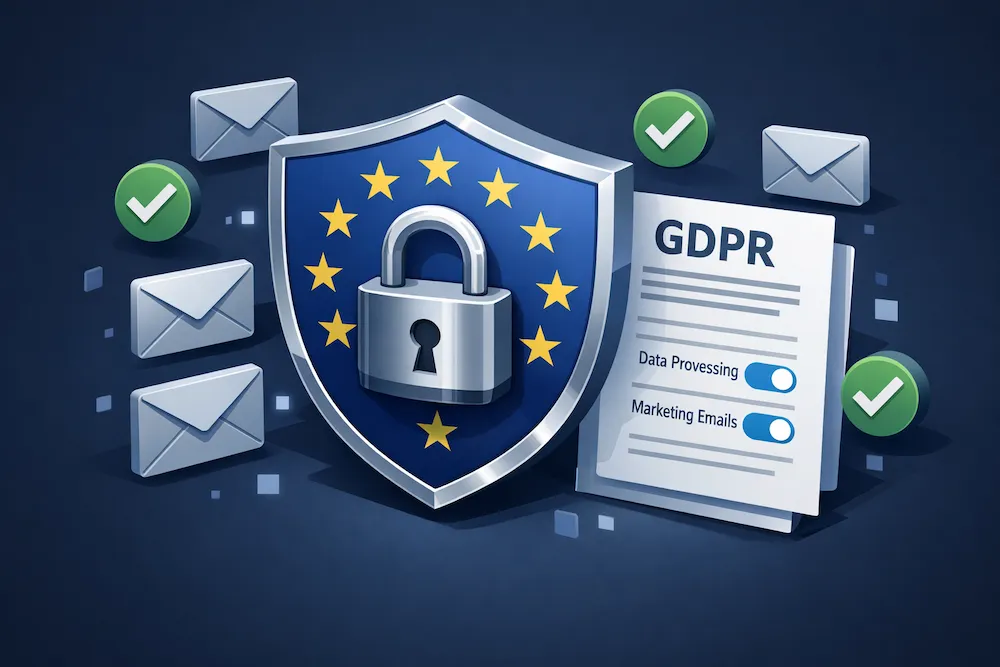
- GDPR kapsamındaki kitleler. AB sakinlerine pazarlama yapıyorsanız, double opt-in size mümkün olan en güçlü onay kanıtını verir.
- B2B e-posta pazarlaması. İş aboneleri neye abone olduklarına dair daha bilinçli olma eğilimindedir. Onay adımı B2B'de nadiren önemli bir kayba neden olur.
- Teslim edilebilirlik sorunları yaşayan göndericiler. Yüksek geri dönüşler, spam şikayetleri veya itibar hasarı ile mücadele ediyorsanız, double opt-in'e geçmek listenize giren yeni abonelerin kalitesini anında artırır.
- Küçük ve orta ölçekli listeler. Kötü adreslerden gelen hasarı absorbe edecek hacme sahip olmadığınızda, her abone önemlidir. Double opt-in her birinin gerçek olmasını sağlar.
GDPR, CAN-SPAM ve Yasal Hususlar
E-posta onayı etrafındaki yasal ortam giderek daha katı hale gelmektedir ve opt-in yönteminiz uyumlulukta doğrudan bir rol oynar.
GDPR (AB/AEA)
Genel Veri Koruma Yönetmeliği, pazarlama e-postaları için özgürce verilmiş, belirli, bilgilendirilmiş ve açık onay gerektirir. GDPR açıkça double opt-in'i zorunlu kılmasa da, onayın verildiğini kanıtlayabilmenizi gerektirir. Double opt-in, e-posta sahibinin aboneliğini onayladığına dair net, zaman damgalı bir denetim izi oluşturur -- bu da onu GDPR uyumluluğu için altın standart yapar. Alman veri koruma otoriteleri (BfDI), double opt-in'i açıkça en iyi uygulama olarak önermiştir. AB kitlelerine gönderim yapıyorsanız, double opt-in en güvenli yoldur.
CAN-SPAM (Amerika Birleşik Devletleri)
CAN-SPAM Yasası daha müsamahakardır. Önceden onay gerektirmez -- alıcılara çıkış yapma yolu sağlamaya odaklanır. Hem single hem de double opt-in CAN-SPAM gereksinimlerini karşılar. Ancak ABD'de bile double opt-in, sizi kötüye kullanım iddialarına karşı korur ve itiraz edildiğinde daha güçlü abone onayı kanıtı sağlar.
CASL (Kanada)
Kanada'nın Anti-Spam Mevzuatı, ticari e-posta göndermeden önce açık onay gerektirir. GDPR gibi, CASL de alıcının onay verdiğini gösterebilmenizi gerektirir. Double opt-in en savunulabilir kanıtı sağlar.
Şüphe duyduğunuzda, size en güçlü onay kanıtını veren opt-in yöntemini seçin. Daha küçük bir listenin maliyeti, bir uyumluluk ihlalinin maliyetiyle karşılaştırıldığında hiçbir şeydir.
Onay E-postaları İçin En İyi Uygulamalar
Double opt-in'i seçerseniz, onay e-postası bir aboneye göndereceğiniz en önemli e-postadır. Görmedikleri veya tıklamadıkları takdirde onları sonsuza dek kaybedersiniz. Onay oranlarını maksimize etmenin yolları:
- Hemen gönderin. Onay e-postası kayıttan saniyeler içinde ulaşmalıdır. Her dakika gecikme size tamamlama kaybettirir. Güvenilir bir transaksiyonel e-posta hizmeti kullanın -- pazarlama ESP'nizin kuyruğunu değil.
- Kristal netliğinde bir konu satırı yazın. "Aboneliğinizi onaylayın" veya "Kaydı tamamlamak için bir adım daha" gibi bir şey. Yaratıcı olmaya çalışmayın. Amacı gizlemeyin. Abonenin kalabalık bir gelen kutusunda onu anında tanıması gerekir.
- CTA'yı kaçırılmaz hale getirin. "Aboneliğimi Onayla" veya "Evet, Beni Abone Yap" yazan büyük, yüksek kontrastlı bir düğme kullanın. Ekranın üst kısmına koyun. E-postadaki tek eylem yapın.
- E-postayı kısa tutun. Bu, markalaşma, hikaye anlatımı veya ürün tanıtımı zamanı değildir. Bir cümle bağlam, bir net düğme, bitti. Daha fazlası dikkat dağıtıcıdır.
- Ne bekleyeceklerini söyleyin. "Her Salı haftalık bültenimizi alacaksınız" gibi kısa bir satır beklentileri belirler ve tıklamayı motive eder.
- Spam/promosyonları kontrol etmelerini hatırlatın. Teşekkür sayfanızda (form gönderiminden sonra gösterilen), abonelere bir dakika içinde onay e-postasını görmezlerse spam veya promosyonlar klasörlerini kontrol etmelerini söyleyin.
- Bir hatırlatma gönderin. Abone 24 saat sonra onaylamamışsa, bir takip hatırlatması gönderin. Birden fazla göndermeyin -- onaylanmamış adreslere tekrarlanan hatırlatmalar kendileri teslim edilebilirlik sorunlarına neden olabilir.
- Onay e-postanızı doğrulayın. Onayı gönderen alan adı için SPF, DKIM ve DMARC'ın düzgün yapılandırıldığından emin olun. Onay e-postasının kendisi spam'e düşerse, tüm double opt-in akışınız başarısız olur.
Hibrit Yaklaşım: Single Opt-In + E-posta Doğrulama
Büyüme odaklı birçok ekibin benimsediği üçüncü bir seçenek var: kayıt sırasında gerçek zamanlı e-posta doğrulamasıyla birleştirilmiş single opt-in.
Nasıl çalıştığını açıklayalım: bir abone formunuza e-posta adresini girdiğinde, bir doğrulama API'si adresi gerçek zamanlı olarak kontrol eder -- kabul edilmeden önce. API geçersiz adresleri, tek kullanımlık e-posta sağlayıcılarını, rol tabanlı adresleri ve bilinen spam tuzaklarını tespit eder. Adres doğrulamayı geçemezse, form reddeder ve abonenin tekrar denemesini ister.
Bu yaklaşım size single opt-in'in hızını (onay adımı yok, anında etkileşim) doğrulamanın veri kalitesi avantajlarıyla (geçersiz adres yok, spam tuzağı yok, tek kullanımlık e-posta yok) birlikte sunar. Double opt-in'in abone niyetini doğrulama yeteneğinin tam yerini almaz, ancak single opt-in'i riskli kılan veri kalitesi sorununu çözer.
ClearBounce'un E-posta Doğrulama API'si dakikalar içinde herhangi bir kayıt formuna entegre edilebilir. Adresleri 500ms'den kısa sürede kontrol eder, böylece aboneler fark edilebilir bir gecikme yaşamaz. Hem büyüme hızına hem de liste kalitesine ihtiyaç duyan ekipler için her iki dünyanın da en iyisidir.
Sonuç
Evrensel olarak doğru bir cevap yoktur. En iyi opt-in yöntemi kitlenize, uyumluluk gereksinimlerinize ve önceliklerinize bağlıdır.
Liste kalitesi, teslim edilebilirlik ve uyumluluğu önceliklendiriyorsanız double opt-in'i seçin. Daha yavaş büyürsünüz, ancak listenizdeki her abone doğrulanmış, etkileşimli ve yasal olarak savunulabilir olacaktır. Bu, çoğu bülten yayıncısı, B2B gönderici ve AB kitlelerine pazarlama yapan herkes için doğru seçimdir.
Hız ve dönüşümü önceliklendiriyorsanız ve düşük veri kalitesini telafi etmek için liste hijyenine yatırım yapmaya hazırsanız single opt-in'i seçin. Riskleri azaltmak için gerçek zamanlı e-posta doğrulama, bot koruması ve düzenli liste temizliği ile eşleştirin.
Veri kalitesinden ödün vermeden single opt-in'in büyüme hızını istiyorsanız hibrit yaklaşımı değerlendirin -- single opt-in artı gerçek zamanlı e-posta doğrulama. En sofistike e-posta programlarının kullandığı yaklaşım budur.
Hangi yöntemi seçerseniz seçin, bunu unutmayın: opt-in adımı sadece başlangıçtır. İnsanlar iş değiştirdikçe, adresleri terk ettikçe ve e-posta sağlayıcıları hesapları geri dönüştürdükçe listeler ayda %2-3 oranında bozulur. Sürekli liste hijyeni -- düzenli doğrulama, geri dönüş işleme ve aktif olmayan abone kaldırma -- insanların listenize ilk etapta nasıl girdiğinden bağımsız olarak esastır.
Listenizi ilk günden temiz tutun.
İster single opt-in, ister double opt-in veya hibrit yaklaşım kullanın, ClearBounce listenizi geçersiz, riskli ve tehlikeli e-posta adreslerinden arındırır. Toplu olarak doğrulayın veya API'miz ile kayıt formlarınıza gerçek zamanlı doğrulama entegre edin.
100 ücretsiz kredi. Kredi kartı gerekmez.
Ücretsiz Doğrulamaya Başlayın